
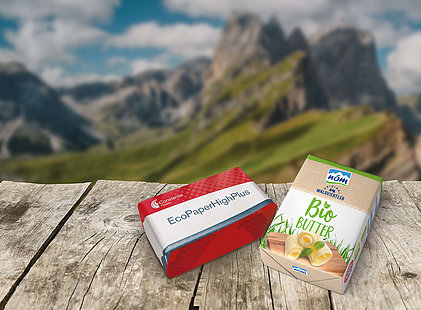
EcoPaperHighPlus enters the butter aisle with NÖM
By combining our global packaging expertise with a pioneering approach to paper-based solutions, we are taking butter packaging in a new direction while keeping the protection requirements of the product at the center.
Packaging requirements are changing. Can paper-based packaging protect butter without compromise?
Butter is a demanding product to protect, as its packaging needs to manage aroma transfer, grease migration, oxygen and light. Traditionally, that has often meant aluminum-based structures. But with packaging requirements changing, the question is: Can we move away from aluminum without compromising product protection?
What defines Low Carbon Aluminum?
Low Carbon Aluminum is aluminum with a third party verified CO₂e footprint, which is reduced compared to conventional market averages. Reductions are typically achieved through:
- Use of renewable energy in primary production
- Use of recycled aluminum, which generally requires 95% less energy than primary production
- A certified mass‑balance system enabling transparent allocation of reduced‑carbon inputs
Want to know more?
Reach out to your counterpart at Constantia Flexibles or send a request to our experts.







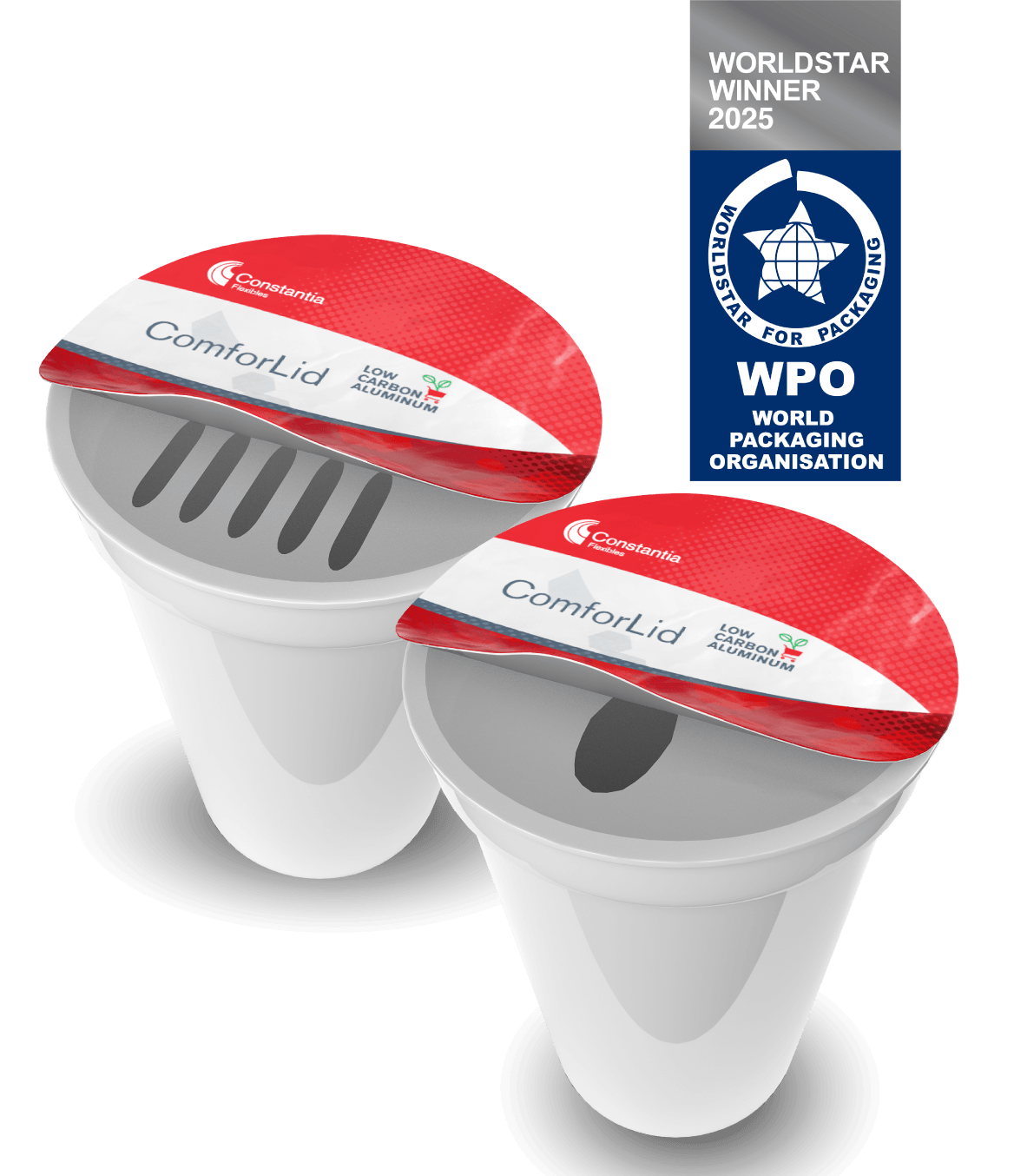
Get expert support on Low Carbon Aluminum
How we ensure credibility
Our approach is grounded in traceability, transparent documentation, and independent verification. All supplier data must follow recognized international PCF methodologies to ensure a consistent basis for calculation.
Our calculation methodology for determining the product carbon footprint is independently verified by TÜV Süd, an accredited third‑party body, ensuring that the underlying approach and data basis meet recognized international standards. To maintain methodological integrity, we apply a certified mass‑balance system that links the volume of low‑carbon input purchased to the amount attributed to our output.
Our sourcing practices also align with the principles of the Aluminium Stewardship Initiative (ASI), supporting responsible production and improved material traceability across the value chain. In addition, product carbon footprints are validated using standards such as ISO 14067 and ISO 22095, ensuring that all communicated values are derived from structured and internationally recognized frameworks.
Collectively, these measures help ensure that all information we provide is based on documented, verifiable, and transparently communicated data.
